

Introduction
Hunting in cold weather presents unique challenges that require careful preparation and the right equipment. Freezing temperatures, strong winds, and snow can quickly make long hours outdoors uncomfortable. At the same time, wildlife such as deer often become more active during colder months, creating excellent hunting opportunities.
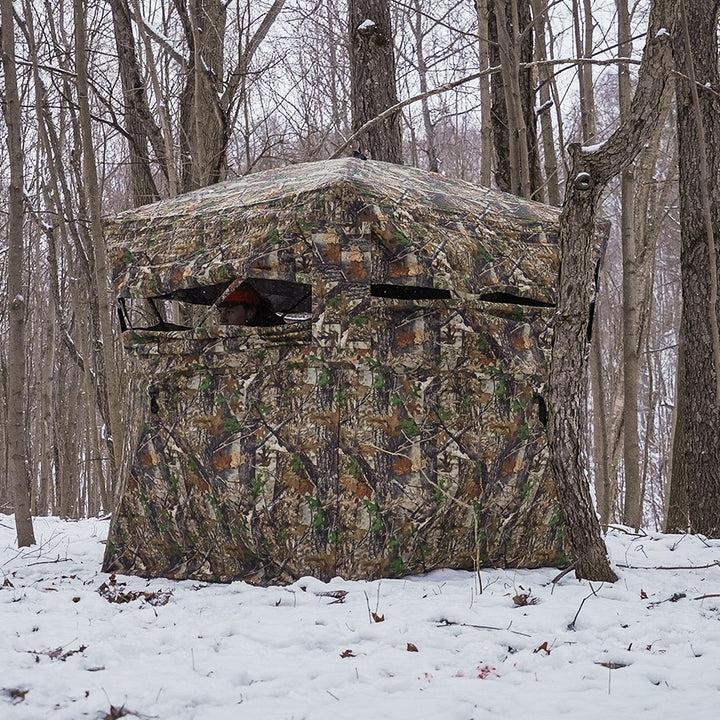
To stay successful and comfortable, hunters rely heavily on modern hunting blinds. These shelters provide warmth, concealment, and protection from harsh weather conditions. Choosing the right blind can make the difference between a short, uncomfortable outing and a productive, enjoyable hunt.
Why Hunting Blinds Matter in Cold Conditions
Cold weather hunting demands more than just camouflage. Exposure to wind chill and low temperatures can reduce focus and stamina, which directly affects hunting performance.
A good hunting blind helps by:
-
Blocking cold wind and reducing heat loss
-
Providing a sheltered, stable environment
-
Minimizing visible movement from hunters
-
Allowing longer waiting periods in harsh weather
-
Improving overall concentration and patience
With the right setup, hunters can stay in the field longer and increase their chances of spotting game.
Features to Look for in a Cold Weather Hunting Blind
When choosing a blind for winter or late-season hunts, certain features become especially important.
Insulation and Heat Retention
A well-designed blind should help retain body heat. Thick fabric layers, thermal linings, or insulated walls can significantly improve comfort during freezing conditions.
Wind Resistance
Strong winds are common in winter. A stable frame and tightly woven fabric help prevent cold drafts from entering the blind.
Silent Material
Cold weather often makes materials stiff and noisy. High-quality blinds use quiet fabric that allows hunters to move without alerting nearby animals.
Visibility and Window Design
Large, adjustable windows allow hunters to maintain awareness of surroundings without exposing themselves to the cold.
Durability
Snow, ice, and moisture can damage weak materials. A cold-weather blind must be built to withstand harsh outdoor conditions.
Best Ground Blind for Cold Weather
Choosing the best ground blind for cold weather is essential for hunters who want to stay active throughout winter seasons. These blinds are specifically designed to handle low temperatures while maintaining comfort and concealment.
Thermal Protection
The best cold-weather ground blinds often include insulated walls or thicker fabric layers that help trap warmth inside. This allows hunters to remain in the field longer without discomfort.
Reduced Wind Chill
A well-sealed structure minimizes wind penetration, which is one of the biggest challenges in winter hunting. Less wind inside the blind means better focus and stability.
Comfortable Long Hunts
Cold weather hunts often require patience. A properly designed blind allows hunters to sit for extended periods without feeling exhausted by the weather.
Improved Equipment Protection
Rifles, bows, and other gear also benefit from being stored in a protected, dry environment inside the blind.
Ideal Placement Advantage
Cold-weather blinds are often placed near bedding areas or food sources where deer and other animals gather during winter, increasing success rates.
Benefits of Using a See-Through Pop Up Blind
Modern hunting technology has improved visibility while maintaining concealment. A see-through pop up blind is one of the most popular innovations among hunters today.
Wide Field of Vision
The see-through mesh panels allow hunters to observe almost 360 degrees around them without constantly adjusting position.
Reduced Movement
Since visibility is improved, hunters do not need to move frequently to check different directions, reducing the risk of detection.
Fast Setup
Pop-up designs are extremely quick to assemble, making them ideal for hunters who need to change locations based on animal movement.
Lightweight and Portable
These blinds are easy to carry, even in snowy or rugged terrain, which is especially useful in cold weather environments.
Comfortable Observation
Hunters can stay alert and watch animal movement without feeling confined or restricted.
Tips for Cold Weather Blind Setup
Proper setup is just as important as choosing the right blind.
Choose Sheltered Locations
Place your blind near natural windbreaks such as trees, hills, or brush to reduce exposure to cold winds.
Clear the Ground
Remove snow, ice, and debris inside the blind area to create a stable and safe seating space.
Face the Sun When Possible
Positioning the blind toward sunlight helps increase natural warmth during daytime hunts.
Secure the Blind Properly
Cold winds can be strong, so always anchor your blind tightly using stakes, ropes, or weighted anchors.
Set Up Early
Give wildlife time to adjust to the presence of the blind before the hunting day begins.
Maintaining a Cold Weather Hunting Blind
Proper maintenance ensures your blind lasts through many hunting seasons.
After each trip, dry the blind completely to prevent moisture buildup, which can lead to mold or fabric damage. Remove snow, dirt, and debris before storage.
Check zippers, poles, and seams regularly, as cold weather can make materials brittle. Repair small issues early to prevent larger problems later.
Store the blind in a dry, temperature-controlled area when not in use.
Safety and Comfort Tips
-
Dress in layered clothing to retain body heat
-
Bring insulated seating or cushions
-
Keep hands warm with gloves suitable for shooting
-
Stay hydrated even in cold weather
-
Avoid excessive movement that could alert wildlife
These small steps can greatly improve comfort and performance during cold-weather hunts.
Conclusion
Cold weather hunting can be both challenging and rewarding when properly prepared. Choosing the best ground blind for cold weather ensures hunters stay warm, protected, and focused during long hours in the field. At the same time, a see-through pop up blind provides excellent visibility, quick setup, and portability, making it a practical choice for modern hunters. By selecting the right blind, setting it up correctly, and maintaining it well, hunters can enjoy more successful and comfortable winter hunting experiences.
